Rivers We Cannot See, 2026
6 February – 5 April 2026, Artemara Gallery, London (Online)
The next time you stand on a beach at night, watching the moon's bright path across the water, and conscious of the moon-drawn tides, remember that the moon itself may have been born of a great tidal wave of earthly substance, torn off into space. And remember that if the moon was formed in this fashion, the event may have had much to do with shaping the ocean basins and the continents as we know them. Rachel Carson, The Sea Around Us.
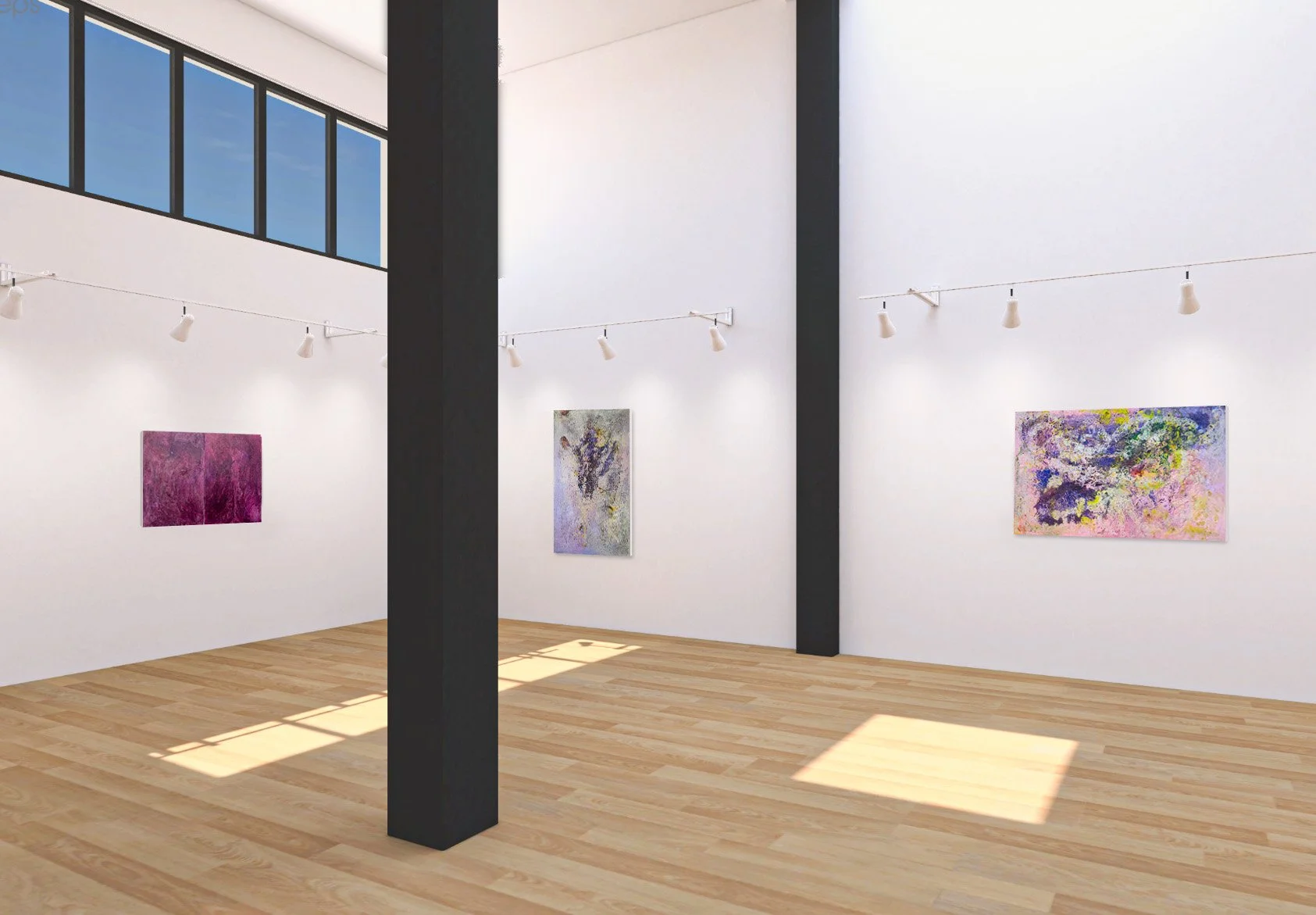
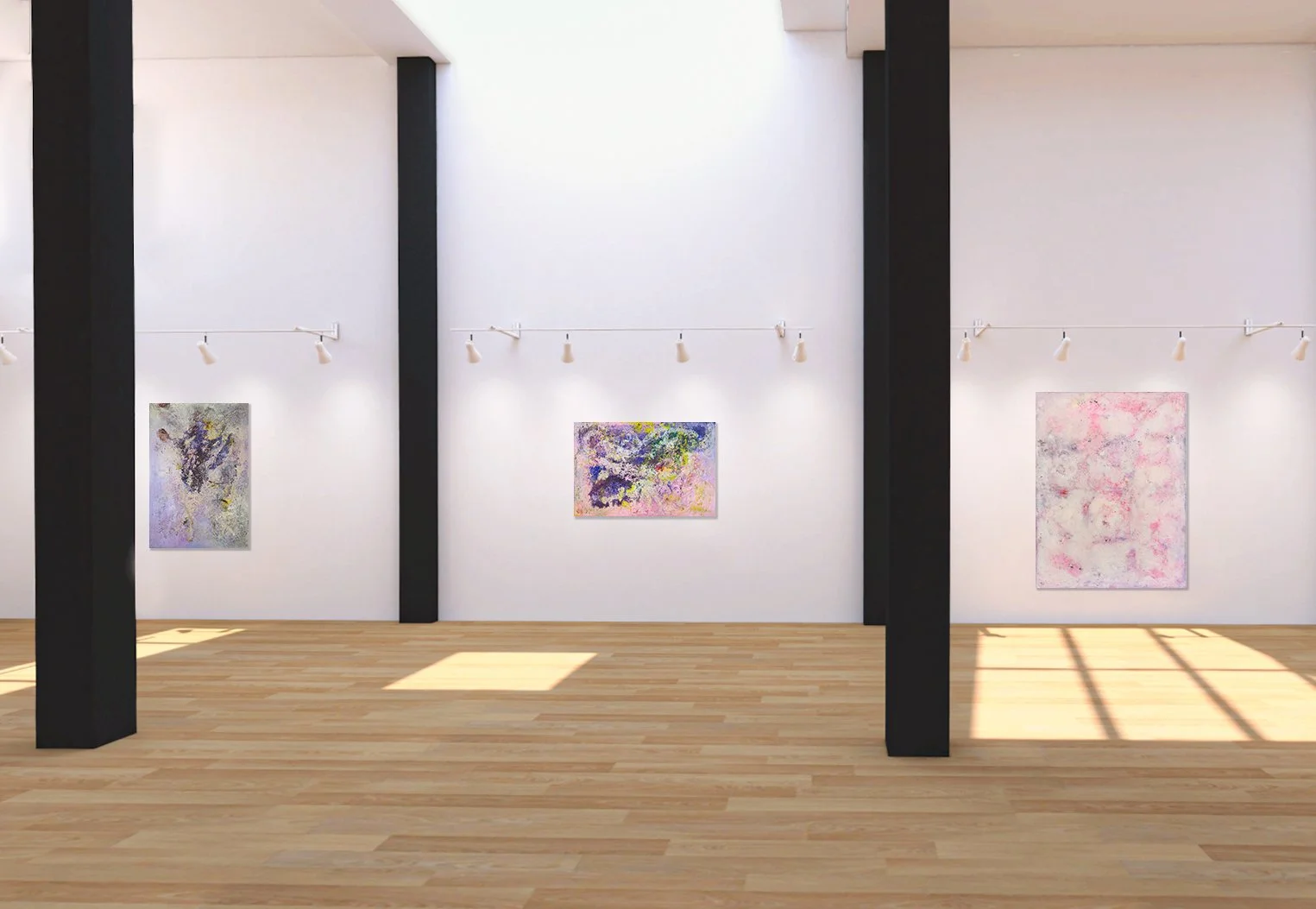
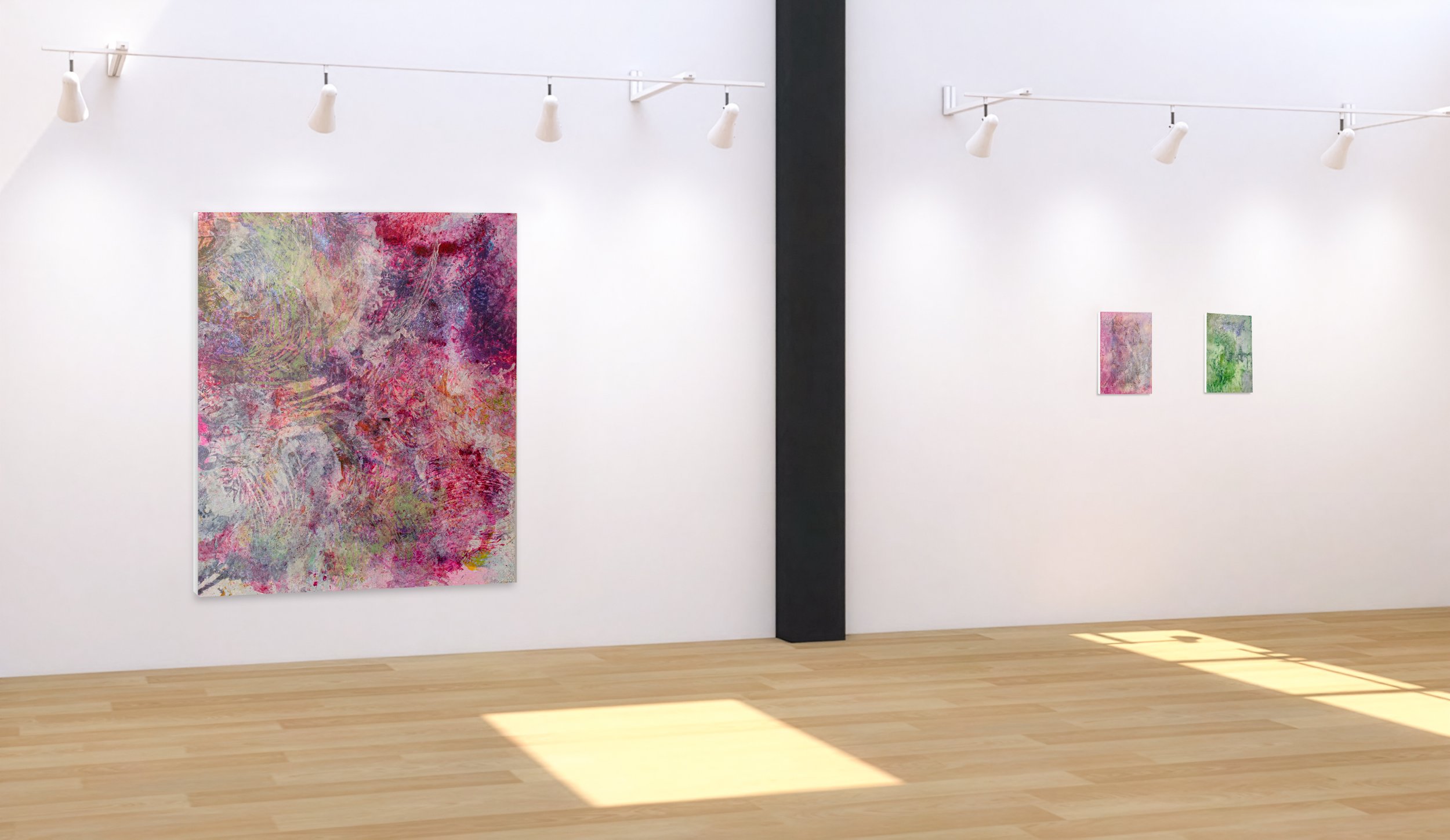
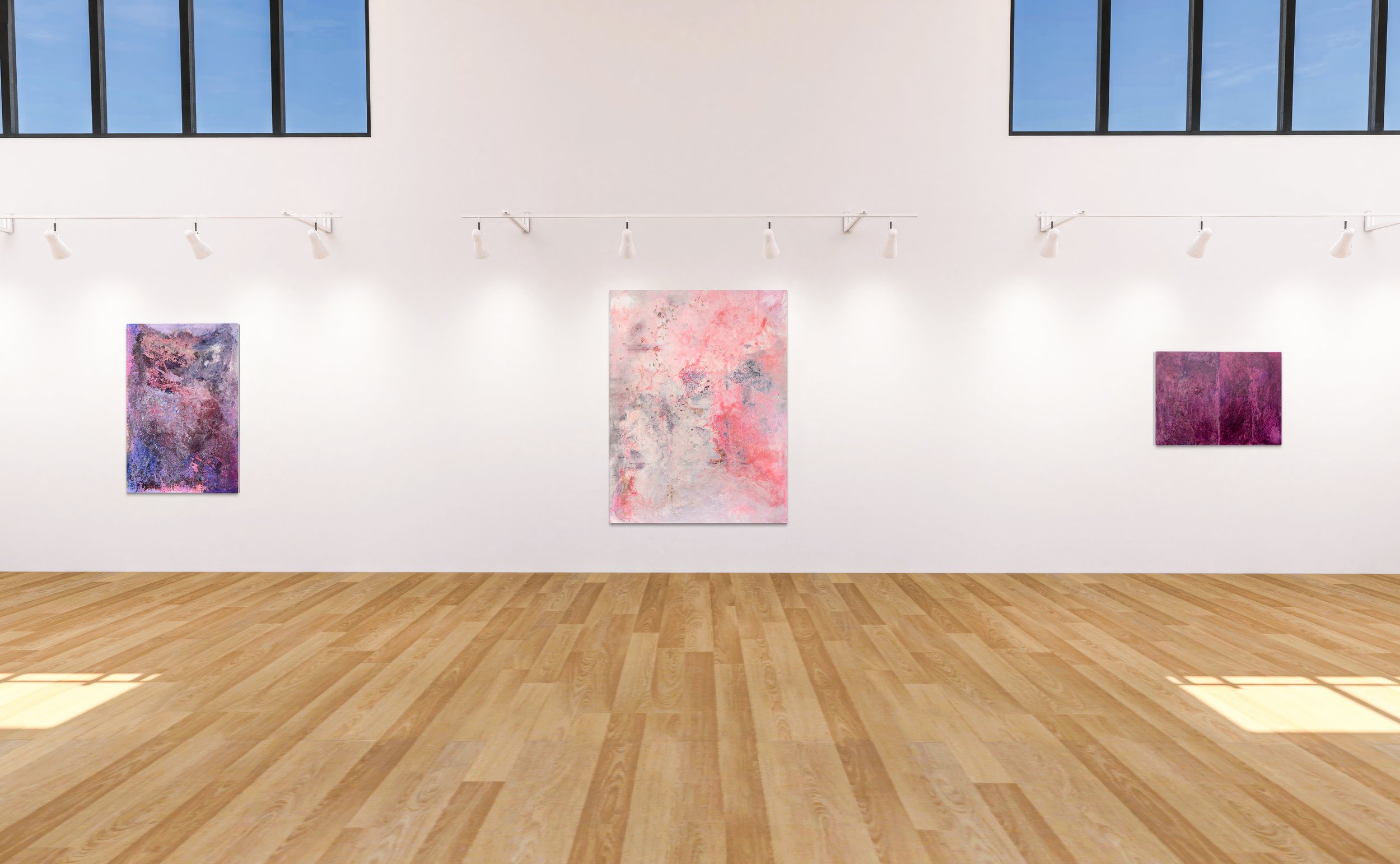
For Rivers We Cannot See, Silke Weißbach brings together a series of abstract, colour field paintings produced over the last two years. The works unfold through sustained engagement with painting as a material, bodily, and sensory system. Her practice is shaped by a continued movement away from the studio and into direct encounters with watery environments. Over recent years, she has spent extended periods near coastlines and tidal terrains—by the Baltic Sea of her childhood, and later along the Pacific, Atlantic, and Indian Oceans. These journeys began as acts of departure, yet gradually revealed themselves as a form of return. What emerged was a coming home to modes of sensing and understanding formed early, before painting became a discipline and the studio a fixed site of production. Travel operates here as a condition of thought. Immersion in humidity, salt air, shifting light, and vegetation reactivates bodily memories that precede language. Walking through pine forests with resin warming in the sun, moving through mangroves and palms dense with moisture, sensing how different environments hold water and how the body adjusts almost instinctively. These encounters do not generate images. They produce material knowledge that later enters the work.
The studio becomes a permeable threshold: What is gathered outside—matter, scent, rhythm, sensation—returns and continues to transform within it. Materials, closely connected to the body and practices of care, form another basis of the paintings: collagen, hyaluronic acid, wax, aloe vera, spirulina, cochineal, soap, and plant residues. This combination of substances remains active. They bind, absorb, seep, and settle, allowing time to register physically within the surface. Water functions as a structuring force throughout the work. It shapes landscapes and circulates through bodies, linking interior and exterior systems. Within the paintings, these relations appear through viscosity, opacity, staining, and sedimentation. Layers accumulate slowly, forming topologies that hold moisture differently and retain traces of pressure, touch, and duration. Scale plays a central role in how the paintings are encountered. Large-format works unfold as atmospheric fields that orient the body in space, while smaller paintings invite proximity and sustained attention. Together, they establish a rhythm between immersion and intimacy.